Skip to content

PDI Logo

  • About PDI
    • About Us
    • History
    • Vision and Mission
    • People
    • Contact
  • Centers
    • CISS
    • CSPL
    • CSEU
    • KACDC
    • CRCEA
    • CSC
    • CSID
  • Activities
    • Soodang/Woodang Colloquium
    • Woodang Academy
    • Jiam Research Workshop
    • Civic Education
    • Events
    • Pol in Love
  • Publications
    • Journal Article
    • Book
    • Working Paper
  • Journal
    • Peace & Democracy
    • About Peace Studies
    • Editorial Board
    • Archive
    • For Contributors
    • Submission
  • News
    • Notice
    • Upcoming Events
    • Press Release
    • Newsletter
Korean English
KOR ENG
  • About PDI
    • About Us
    • History
    • Vision and Mission
    • People
    • Contact
  • Centers
    • CISS
    • CSPL
    • CSEU
    • KACDC
    • CRCEA
    • CSC
    • CSID
  • Activities
    • Soodang/Woodang Colloquium
    • Woodang Academy
    • Jiam Research Workshop
    • Civic Education
    • Events
    • Pol in Love
  • Publications
    • Journal Article
    • Book
    • Working Paper
  • Journal
    • Peace & Democracy
    • About Peace Studies
    • Editorial Board
    • Archive
    • For Contributors
    • Submission
  • News
    • Notice
    • Upcoming Events
    • Press Release
    • Newsletter

Publications

  • Journal Article
  • Book
  • Working Paper

Book

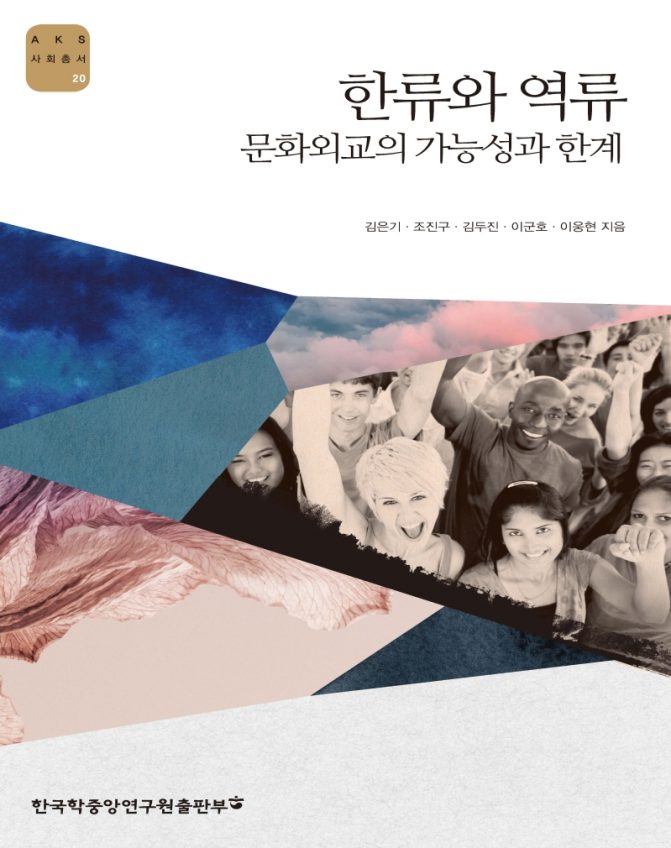
The Korean Wave and Countercurrent: The Possibilities and Limitations of Cultural Diplomacy

2020.12.22

The craze for Korean pop culture, named “The Korean Wave,” began in China and Southeast Asia in the late 1990s. Today, none of the six continents on Earth is beyond the reach of the Korean Wave. In addition to regional expansion, the Korean Wave “industry” is globalizing in almost all areas of consumer culture and entertainment culture, such as movies, broadcasts, music, performances, games, cartoons, fashion, beauty, food, advertisements, and tourism. As such, the Korean Wave has a short history of more than 20 years, but today, as the Korean Wave has spread around the world, it is also facing reflux. The Korean Wave is in conflict with each country’s culture, national sentiment, and government policies. The reasons and degrees of acceptance and rejection of the Korean Wave vary from country to country. In order for the Korean Wave to become one of the world’s cultures, it is necessary to⋯

Handbook of Political Methodology

2020.11.19

Chapter 1 Causal Reasoning Counterfactual Causal Concepts and Potential Outcomes Potential Results and Randomized Controlled Trial Selective bias in observational research Post-treatment disturbance problems in randomized controlled experiments mediating effect Overview of Methods for Causal Reasoning Estimation of Causal Effects in Observation Studies Post confounding problems in randomized controlled experiments Processing Effect Mechanism Limitations and discussions of potential outcome frameworks Chapter 2 Experimental Research Methodology the basic structure of experimental research Considerations when conducting an experimental study Balance between experimental groups Experimental operation inspection a matter of disagreement expansion of experimental research Mediation effect mediating effect the problems of experimental research External Feasibility Problem a matter of theoretical basis an ethical question Closing remarks Chapter 3 Time Series – Cross Section Data Analysis Characteristics of time series-cross section data an error term structural problems heterogeneity between objects Fixed effect model Random effect model Comparison of Fixed Effect Model and Random⋯

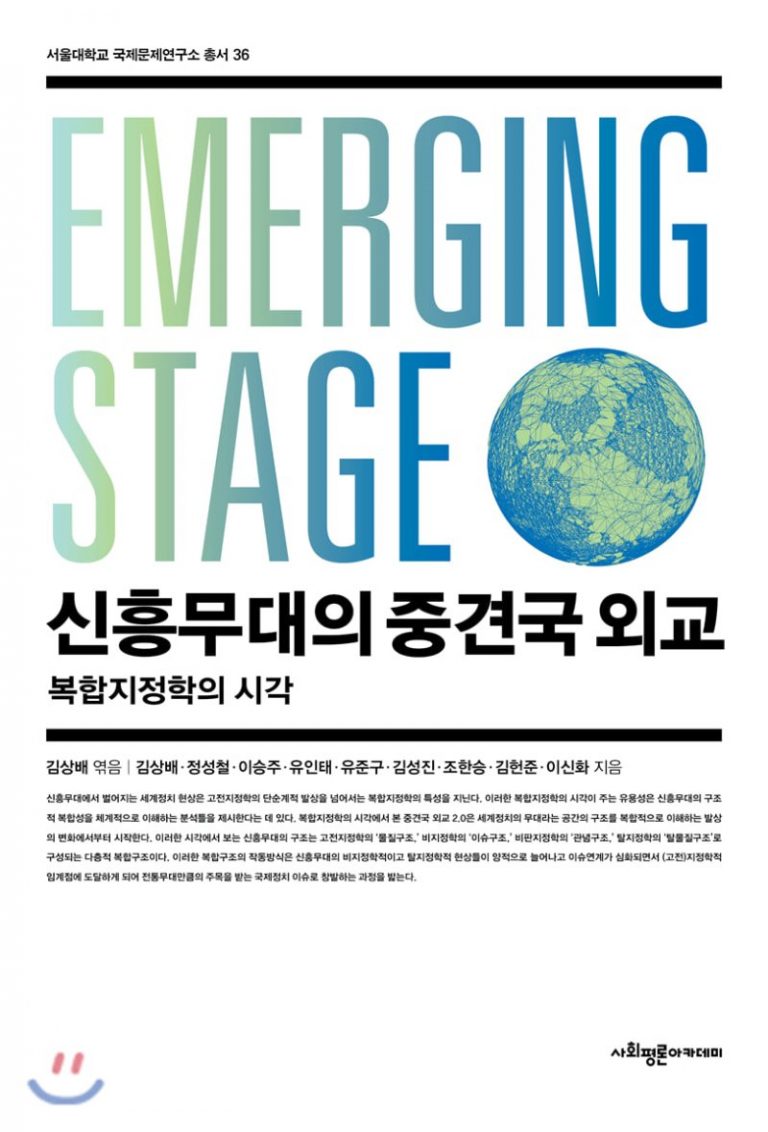
The Perspective of Diplomatic Complex Geopolitics in Mid-sized Countries on the Emerging Stage

2020.08.31

“Medium-sized Diplomacy on the Emerging Stage” – By analyzing the cases of mid-sized diplomacy on the “complex stage of tradition and emerging,” Korea’s “mid-sized diplomacy 2.0” seeks the direction to pursue in the future Against the backdrop of discussions on the transformation of traditional stages such as diplomacy and trade diplomacy, Internet governance in technology and security, space security, climate and forest diplomacy in environmental security, and human rights and refugees in social security were examined the composition and content of a book The “Shinheung Stage” used in this book, The term “emerging stage”) means a “new emerging stage,” but it has a complex meaning beyond just a new stage. “Shinheung” is a translation of “emergence” in complex system theory. Emerging or emerging as a conceptual word refers to a phenomenon in which phenomena that were only simple and “disordered” at the microscopic stage develop complex interactions as the amount⋯

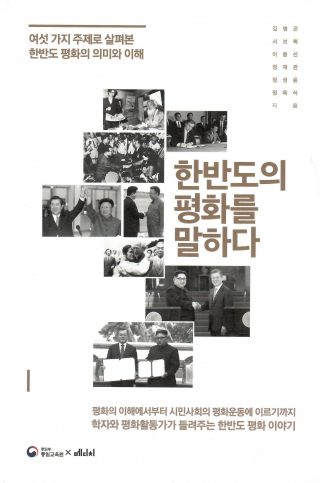
Speak of Peace on the Korean Peninsula

Author: Byung-Kon Kim, Bohyuk Seo, Dong Sun Lee, Jai Kwan Jung, Sung Yoon Jung, Wook Sik Jung 2020.08.21

Peace on the Korean Peninsula, how do you understand and how do you achieve it? From sober realism to hot idealism, six scholars and peace activists are talking about peace in our time. From 2018 until now, we have experienced and confirmed that our leading and active movements have created a peaceful atmosphere on the Korean Peninsula. At the same time, interest in peace has increased in our society, and the demand for peace education has increased. However, there was no systematically organized data related to peace. Therefore, I felt the need to supplement the peace education sector in unification education, and this book was designed with such intention. This book was created to provide basic data to reflect on what peace is for citizens of the Republic of Korea, who require a deeper understanding of peace than anyone else, and what we need for a peaceful Korean Peninsula. Despite⋯

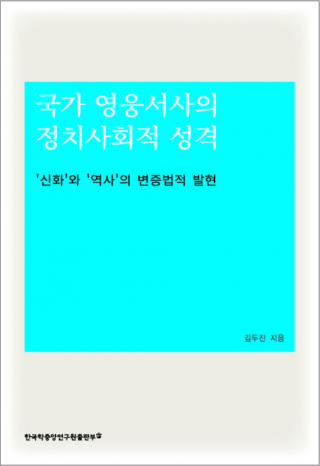
The Political and Social Character of a National Hero’s Narrative

Author : Doo-Jin Kim 2019.12.30

『The Political and Social Character of a National Hero’s Narrative 』analyzed the collective reality perception of the people of the time, which was melted into the narrative from a political and social perspective, breaking the prejudice that the narrative was the area of research in Korean literature. He explored the discourse of heroes of the time and the perception of heroes during the Japanese Invasion of Korea in 1592 from hero narrative in『증편 한국구비문학대계』.  It revealed that literary ‘mythology’ and recorded ‘history’ evolved gradually in the form of dialectical transformation.   Chapter 1 Problem posing Chapter 2 The mythical connotation of ‘Hero Story’–focused on historical novel and text Chapter 3 The transmission of ‘Hero Story’ and the awareness of the masses toward the ruling class- Interpretation of ‘Hero’ of ‘Kim Deok-ryeong’ narrative Chapter 4 Recognition of heroes in the literature of the Japanese Invasion of Korea in 1592 Chapter 5⋯

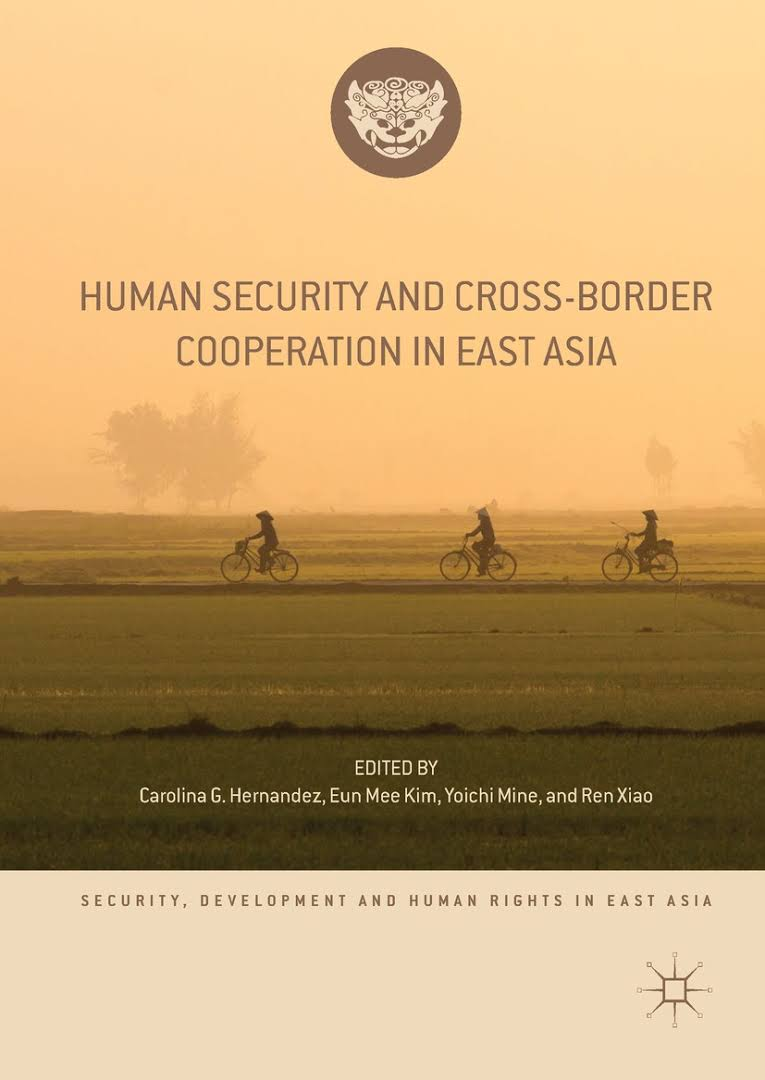
[Book Chapter] South Korea’s Refugee Policies: National and Human Security Perspectives (2019.01)

2019.01.27

Author : Shin-wha Lee Title of Book : Human Security and Cross-Border Cooperation in East Asia Editor : Hernandez, C., Kim, E.M., Mine, Y., Xiao, R. Publisher : Palgrave Macmillan Date : January, 2019 Abstract : Contrasting human security with national security, this chapter examines South Korea’s policies toward global refugees and North Korean defectors, an effective indicator of regime instability. It is argued that the security and welfare of individual persons, which are the very reason for the existence of a sovereign state, must be prioritized in human security practice. Policy development in this regard is essential for a middle-power nation. Some policy considerations are provided for the examination of refugee responses from the human security perspective, particularly regarding how to make stakeholder support more comprehensive and how to promote bottom-up engagement and empowerment.

[Book Chapter] Politics of Royal Authority’s Myth and Religiousness of Ruling Discourse (2018.08)

2018.08.10

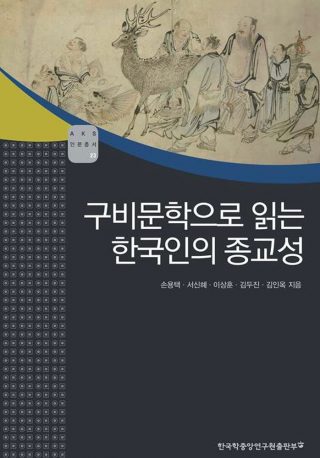
Author: Doo-Jin Kim Title: The Religious Characteristics of Koreans Read in Oral Literature Publisher: The Academy of Korean Studies Press Published: August 2018 Abstract: This study focuses on ‘religious mind’ as a central axis of Korean culture and seeks to interpret the literature in the “The Comprehensive Collection of Korean Folklore Literature(Revised and Enlarged)” through an interdisciplinary approach from humanities to social sciences. Analysis and methodology of religious philosophy, human geography, Korean literature, social psychology, and political sociology were used. In the political-sociological analysis, it emphasizes that there is ‘interpenetration’ or ‘interrelationship’ between the contents of the folk tales and the “Yongbieocheonga”. The political myth of the founding of Choseon Dynasty is a reflection of conflict and confrontation structure, but as a “control ideology,” it is believed that it has resulted in the net functional results of political communication. This study will trigger a new cognitive shift from the view that the formation⋯

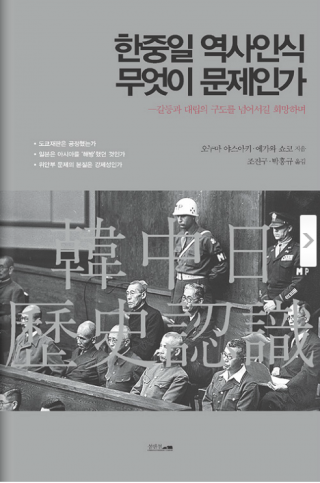
What is the Problem with Korea, China and Japan’s Historical Perception

Yasuaki Onuma ∙ Syoko Egawa (Authors), Jingoo Cho ∙ Hong-Kyu Park (Translators) (Seom and Seom, 2018) 2018.08.08

What is the problem with Korea, China and Japan’s historical perception is a book Yasuaki Onuma, a professor of international law,  who has been studying Korea-Japan relations and practicing activities since the 1970s. It discusses the theme of ‘historical awareness’ which is the object of controversy between Korea and China based on the contents of the Tokyo trial, war responsibility and postwar responsibilities, Nanjing case, Sakhalin residual Korean people, and ‘comfort women’. Chapter 1 Tokyo Trial: International  ‘condemnation’ and Japan’s attitude of acceptance Chapter 2 San Francisco Peace Treaty and “normalization of diplomatic relations” between Korea-China and Korea-Japan: “Ending” the war and colonial rule Chapter 3 War Responsibility and Postwar Responsibility Chapter 4 The issue of comfort women and the new situation: 1990s to the 21st century Chapter 5 21st Century World and Historical Awareness  

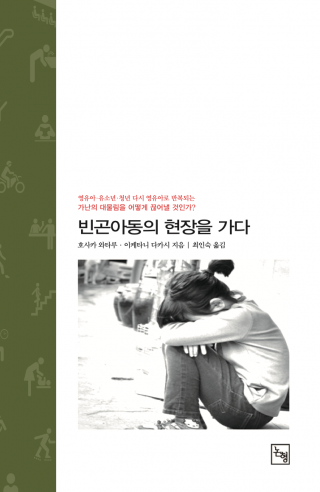
Meeting the Poor Children

Wataru Hosaka, Takashi Iketani (Authors), Insook Choi (Translator) (Nonhyung, 2018, in Korean) 2018.07.03

『Meeting the Poor Children』is a book based on Kyodo News Agency’s “Report: Child Poverty.” The authors have adapted the contents of the news report and inserted a few interviews at the end of each chapter. They vividly show the structural causes of child poverty, by exploring various educational sites from high schools to nursery schools. If parents do not have economic power, children are at a disadvantage from the starting line of life, so poverty follows in the future. The authors find that the most necessary thing to break the cycle is education and changing the future with the power of children themselves. Korea, which has introduced an economic system similar to Japan, will soon face child poverty as a social problem. This book has many implications for us in diagnosing and addressing child poverty. Introduction Chapter 1 I Want to Learn without Money Chapter 2 Breaking the Legacy of Poverty⋯

[Book Chapter] Income Inequality and Welfare in Korea and Taiwan (2018.06)

2018.07.03

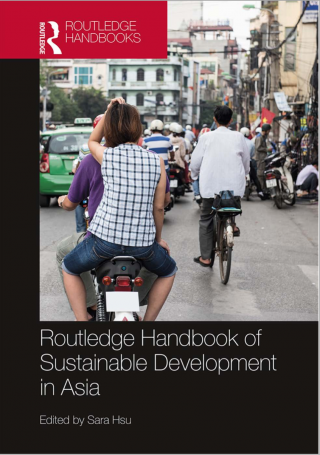
Author : Eunju Chi Book Title : Handbook of Sustainable Development in Asia Editor : Sara Hsu Publisher : Routledge Publication Date : June, 2018 Abstract : This chapter focuses on economic and social well-being in Korea and Taiwan. Deepening inequality is a trend that makes sustainable development difficult to attain. When a government actively responds to the deepening inequality by providing welfare, inequality is alleviated, and sustainable development is possible. In this vein, this chapter examines the causes and processes of deepening inequality in Korea and Taiwan, then turns to policies associated with improving economic distribution. Democratization required measures to protect the victims of wealth polarization and, as a result, measures to tackle income inequality in Korea and Taiwan were introduced. However, these were implemented in an ad hoc fashion, rather than resulting from clear goals and plans.

  • 이전
  • 1
  • 2
  • 3
  • 다음
(02841) PDI, Korea University, 145, Anam-ro, Seongbuk-gu, Seoul, Republic of Korea
  • Tel_ 82-2-3290-1644~5
  • Fax_ 82-2-925-3906
  • Email_ peacestudies@korea.ac.kr
Copyright © 2026 Peace & Democracy Institute all rights reserved.

Sign up for PDI newsletter